How to Spot a Crypto Scam Before You Send Your Funds
Learn how to spot and avoid crypto scams before sending your digital assets. Expert tips from SimpleSwap and Cypherock help protect your crypto wealth.
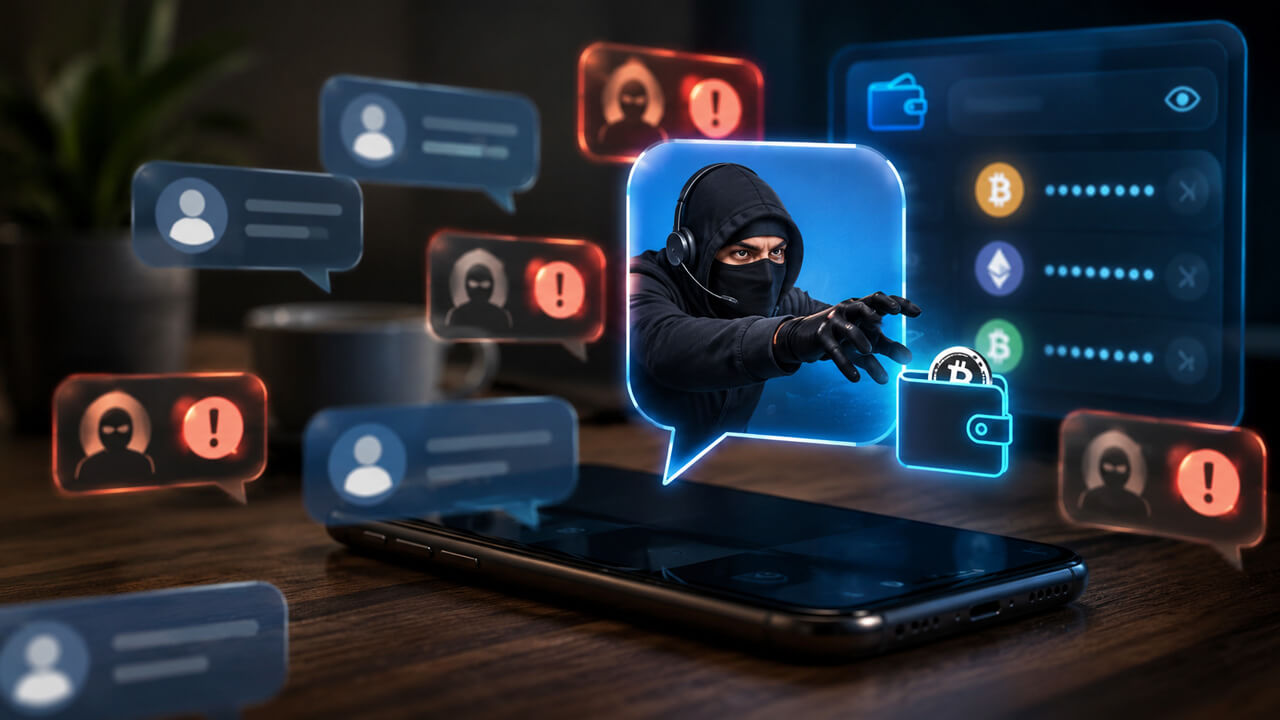
Every day, millions of crypto users fall victim to scams that exploit a single, overlooked detail in a digital wallet transaction. These scams rarely involve a hacked blockchain or exploited smart contract — they occur when users make a simple mistake. In a new educational initiative by SimpleSwap and Cypherock, readers are guided through the most common pitfalls and how to avoid them before it’s too late.
What Happened?
Some of the most financially damaging cryptocurrency scams rely on social engineering and digital deception rather than blockchain exploits. A malicious actor might manipulate an investor into sending funds to a fake wallet address. This can occur through phishing emails, fake social media profiles, fraudulent airdrops, or even manipulated customer support interactions.
The guide from SimpleSwap and Cypherock emphasizes that the crypto you send may not appear at the address you see. Even a slight deviation — like a character being swapped or appended — can result in irreversible fund loss if users don’t validate the address correctly.
Why It Matters
Crypto transactions are final and cannot be reversed once confirmed on the blockchain. This finality makes it essential for users to verify receiving addresses meticulously before confirming any transaction.
Unfortunately, scammers exploit this by impersonating legitimate parties and tricking users into sending digital assets to malicious addresses. This is why user education is as vital as strong cryptographic security in the crypto ecosystem.
Market Impact
Though scams don’t directly impact the supply or volatility of major assets, they harm user confidence and can trigger broader regulatory scrutiny when large losses go viral. Scams also contribute to a negative perception of crypto among mainstream investors and institutional players.
Key Takeaways for Investors & Traders
- Double-check all receiving addresses: Always verify the full wallet address through a trusted communication channel before sending funds.
- Use trusted apps and services: Only interact with platforms that have a solid reputation and verified customer support channels.
- Enable multi-factor authentication (MFA):strong> Ensure all accounts are secured with 2FA or hardware authentication methods.
- Be cautious of unsolicited contact: If you’re contacted with an urgent request for funds or an unexpected “opportunity,” verify it independently before acting.
How to Prevent Crypto Scams?
Scammers often rely on haste or distraction. Before sending funds:
- Copy wallet addresses manually instead of using QR codes or links.
- Check the address on the blockchain explorer before confirming transactions.
- Enable transaction confirmation settings that require manual review for large send amounts.
Final Thoughts
Crypto security starts with user awareness. Even the most advanced wallets or exchanges can’t protect you if a malicious actor tricks you into sending funds to the wrong address. With simple verification steps and awareness, many of these scams can be prevented before they occur.
The collaboration between SimpleSwap and Cypherock serves as a timely reminder for the crypto community to take responsibility for digital security. As the market matures, user accountability becomes a cornerstone of sustainable crypto adoption.